
Author: Astronomy for Dummies

-
Best Weather Satellites To Plan Your Stargazing Success
Knowing which satellites provide real-time cloud data can transform your stargazing experience, but which ones actually deliver?
-
Why Is Sky Transparency Crucial For Night Viewing?
Clear skies may seem common, but transparent atmospheres reveal celestial wonders most observers miss completely.
-
3 Best Seasons To Master Stargazing Success
Never miss the prime stargazing opportunities that autumn, winter, and spring provide for breathtaking celestial observations.
-
Weather & Light: 3 Stargazing Success Factors
Key elements that transform stargazing from frustrating to phenomenal include weather, light pollution, and atmospheric conditions—but which matters most?
-
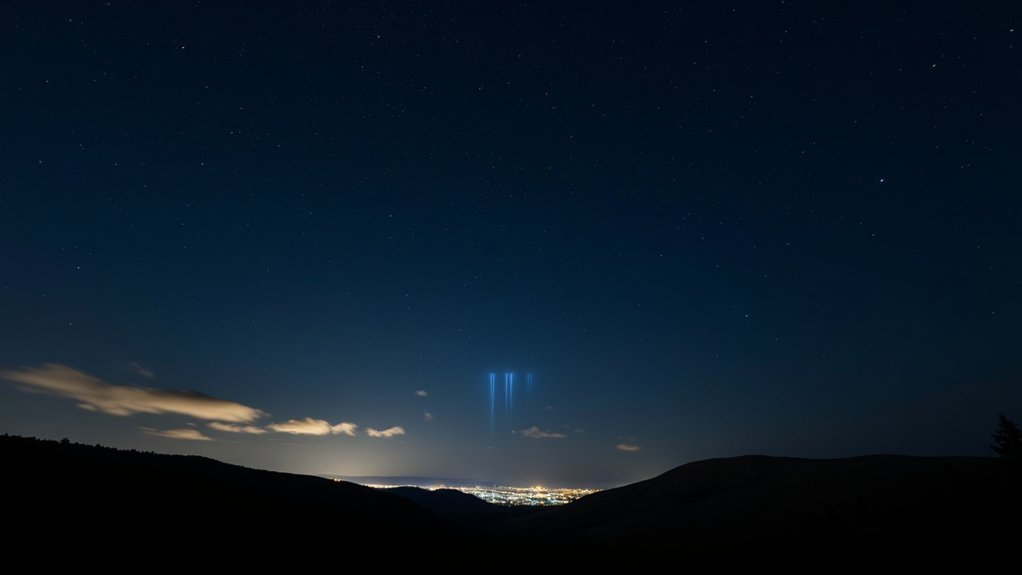
Best Weather Conditions for Spotting Meteor Showers
Just when meteor showers light up the night sky, specific weather conditions can transform your stargazing from disappointing to spectacular.
-

What Moon-Free Nights Show the Best Stars Tonight?
Lunar cycles determine stargazing quality, but which specific phase offers the most dazzling celestial display tonight?
-
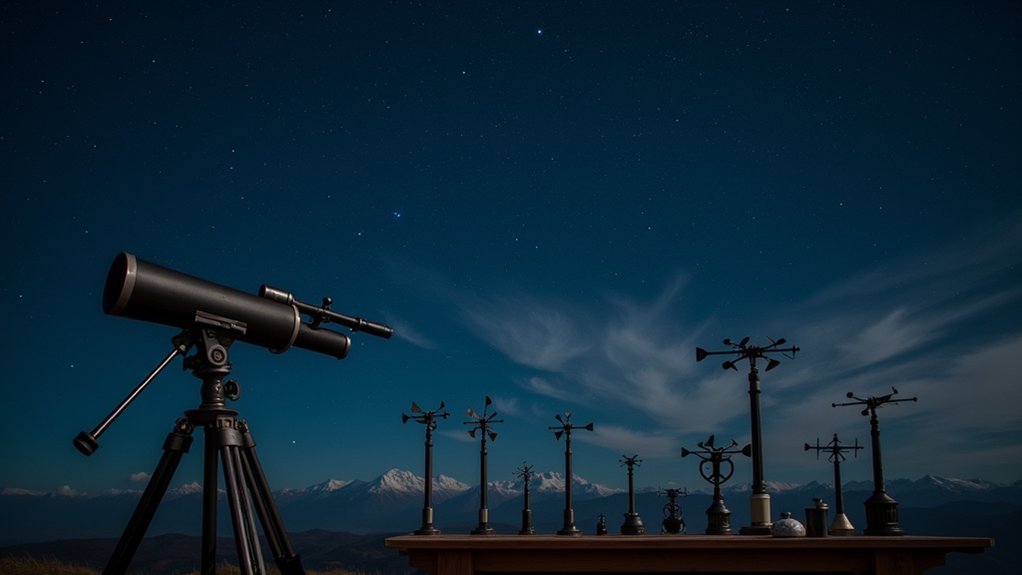
7 Ideal Wind Speeds for Perfect Telescope Views
Discover the critical wind speed thresholds that separate breathtaking celestial views from blurry disappointments when using your telescope.
-
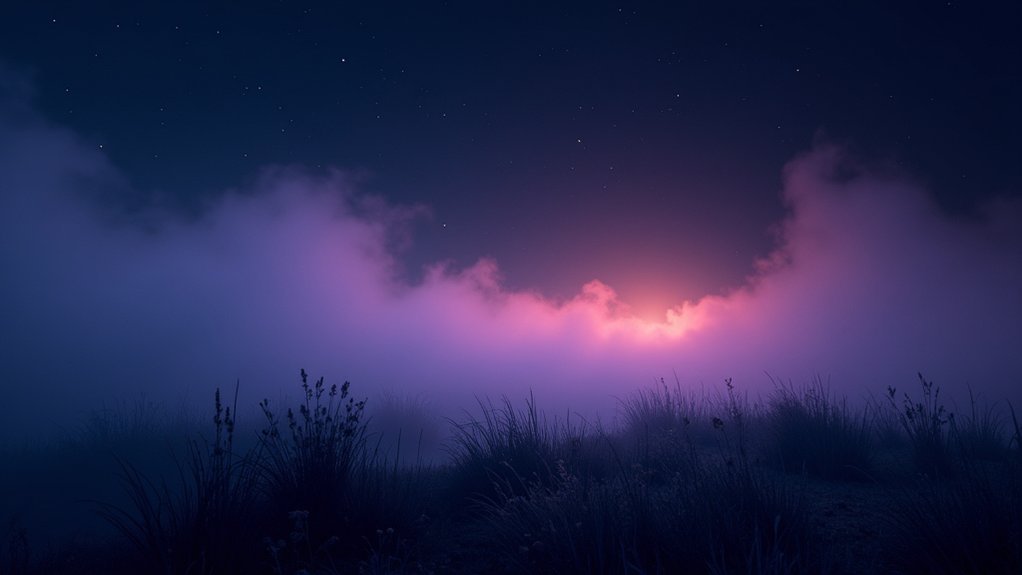
What Makes Humid Nights Blur Distant Stars?
Beyond just poor visibility, humid nights create a milky veil that absorbs up to 60% of starlight before it reaches your eyes.
-
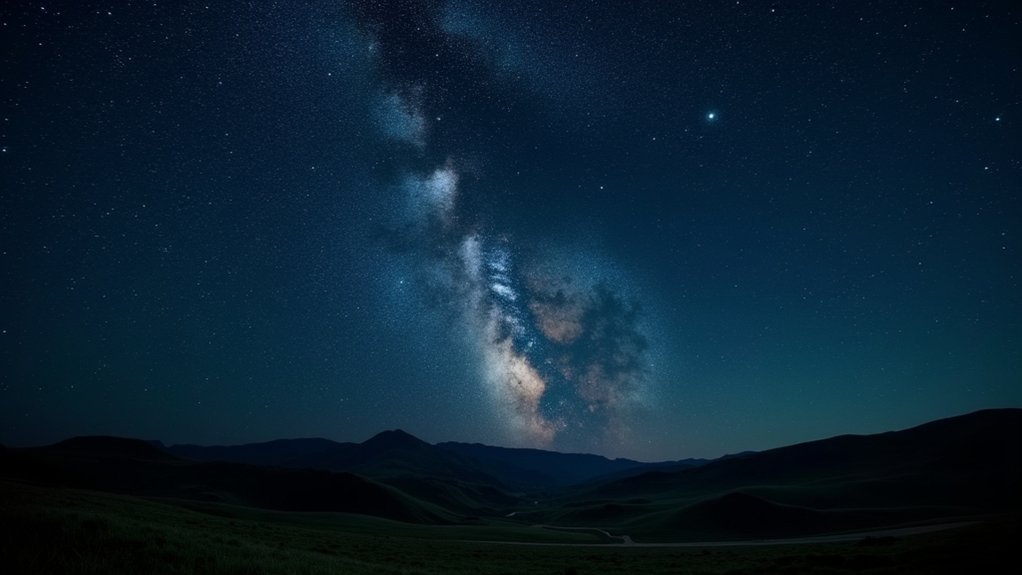
What Temperature Makes Perfect Stargazing Weather?
Mesmerizing stargazing experiences await in temperatures between 30-50°F, where celestial objects reveal their sharpest details.
-
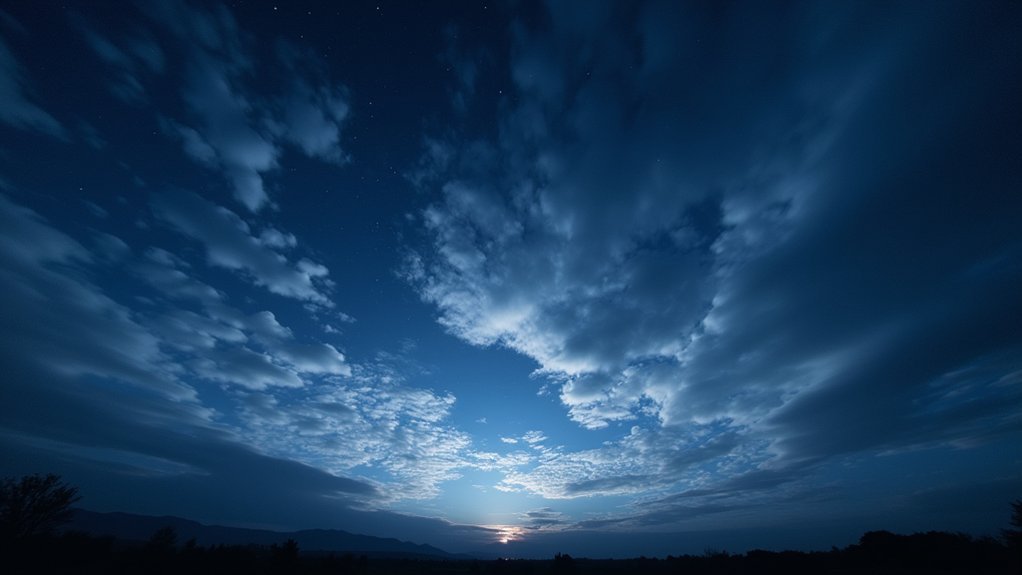
Why Are Cloud Patterns Key For Night Astronomy?
In astronomical observations, cloud formations determine whether you’ll glimpse celestial wonders or face disappointing darkness.